

Migraine Pain Relief: Home Remedies, Ayurvedic Tips, Foods, Acupressure Points & Yoga
Migraine Pain Relief: Home Remedies, Ayurvedic Tips, Foods, Acupressure & Yoga
What Is a Migraine?
A migraine is more than a headache. It can cause severe throbbing pain, sensitivity to light and sound, nausea, dizziness, blurred vision, fatigue, and weakness. Migraine attacks may last for hours or even days.
Common Migraine Triggers
Physical: Lack of sleep, dehydration, excessive screen time, skipping meals.
Emotional: Stress, anxiety, overthinking, emotional exhaustion.
Dietary: Excess caffeine, processed foods, artificial sweeteners, alcohol.
Environmental: Bright sunlight, loud noise, strong perfumes, weather changes.
What To Do When a Migraine Starts
Foods To Eat During Migraine
✅ Coconut water
✅ Bananas
✅ Apples
✅ Plain rice
✅ Boiled potatoes
✅ Oatmeal
✅ Ginger tea
Avoid: Fried foods, soft drinks, excessive tea or coffee, spicy foods, processed snacks, and alcohol.
Ayurvedic Home Remedies
Ginger Water
Mix ½ teaspoon ginger powder in warm water and drink slowly.
Coriander Water
Soak 1 teaspoon coriander seeds overnight and drink the water in the morning.
Cow Ghee Nasya
Traditionally, 1–2 drops of pure cow ghee are placed in each nostril before bedtime.
Brahmi Tea
Traditionally used to support calmness, relaxation, and better sleep.
Acupressure Points For Migraine
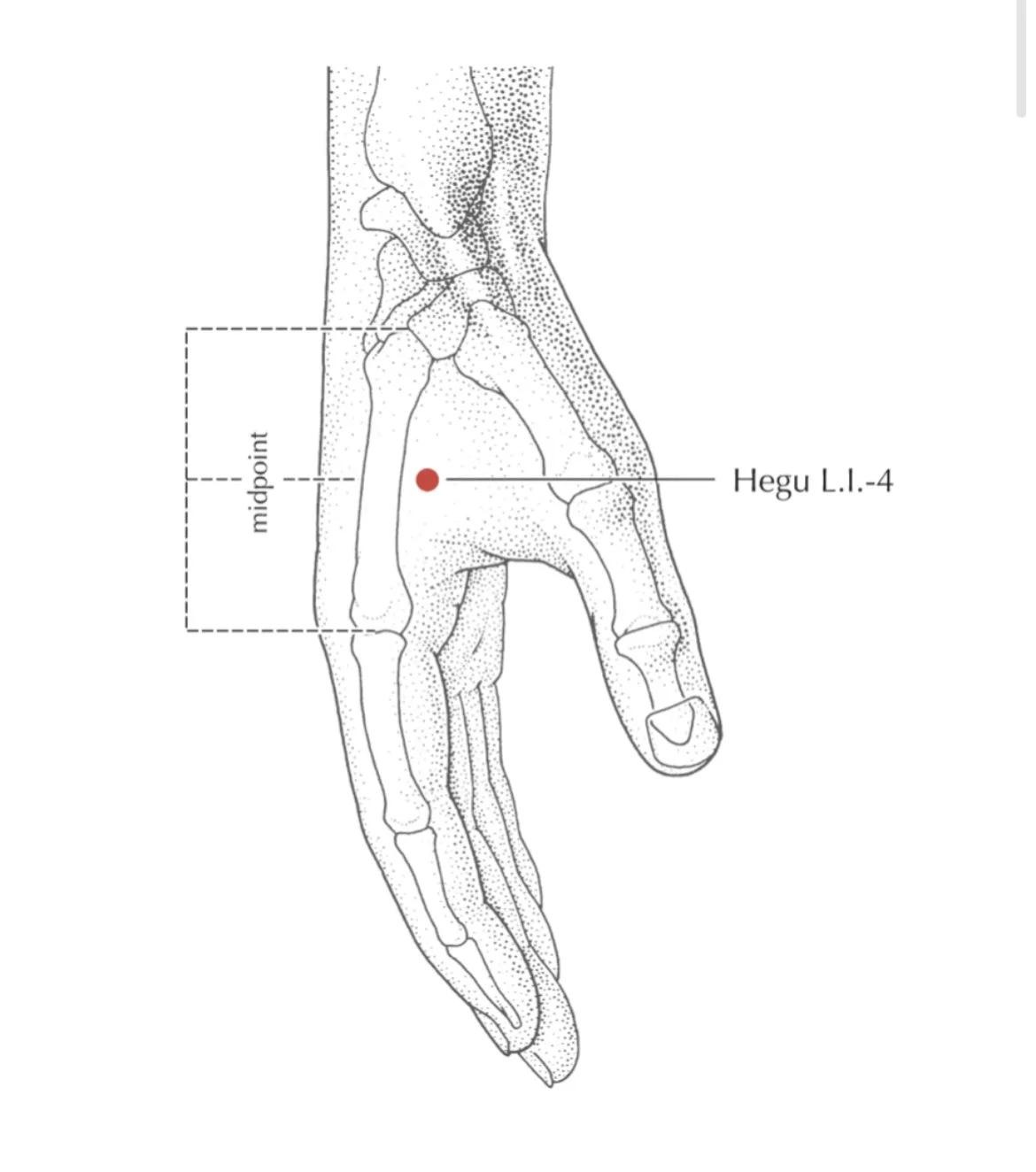
LI4 (Hegu Point)
Between the thumb and index finger. Press for 1 minute on both hands.
Taiyang Point
Located at the temples. Massage gently for 1–2 minutes.
Yintang Point
Between the eyebrows. Apply gentle circular pressure.
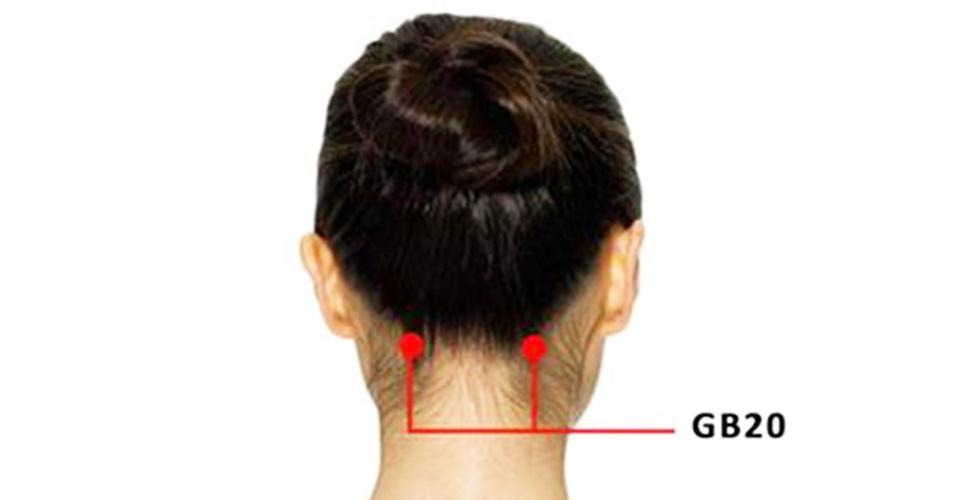
GB20 Point
At the base of the skull on both sides of the neck. Hold pressure for 30–60 seconds.


Yoga For Migraine Prevention
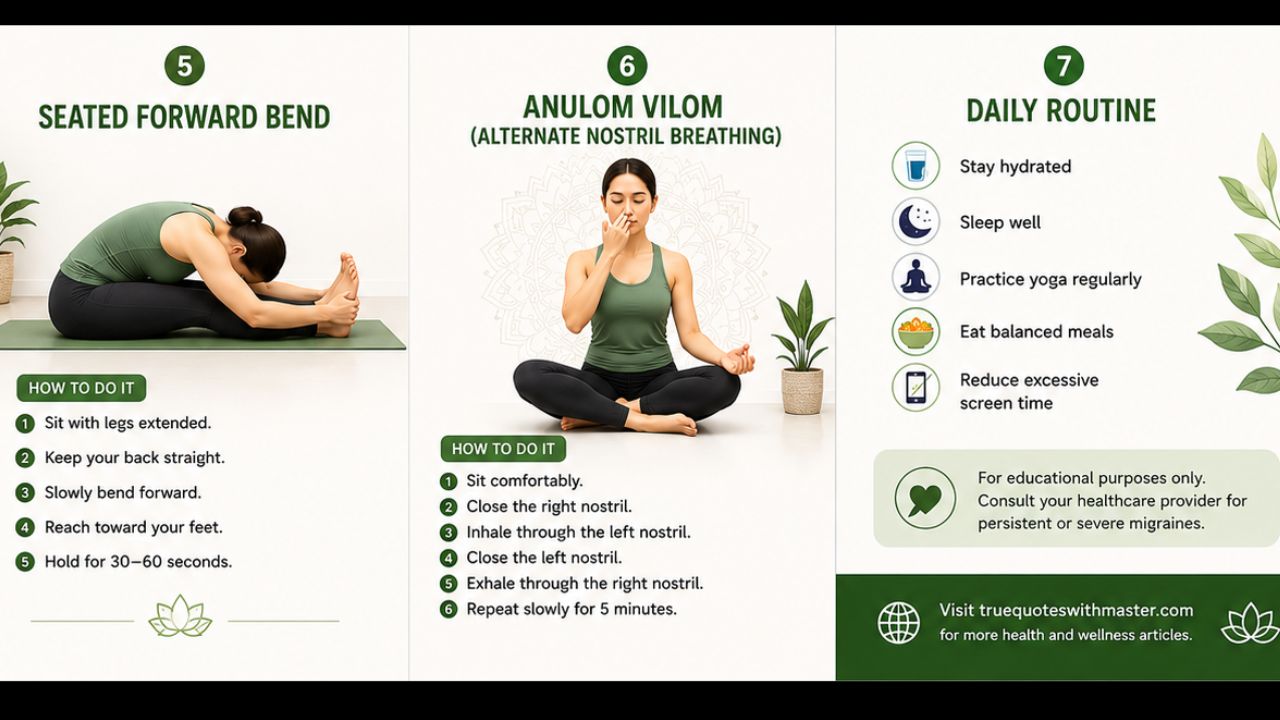
Regular yoga may help reduce stress, improve circulation, and support overall relaxation.

Daily Habits To Prevent Migraine
✔ Sleep 7–8 hours daily
✔ Stay hydrated
✔ Don't skip meals
✔ Limit screen time
✔ Practice meditation
✔ Exercise moderately
✔ Identify personal triggers
When To See a Doctor
Seek medical help if:
Final Thoughts
Many migraines can be managed with hydration, healthy food choices, stress management, acupressure, yoga, and Ayurvedic practices. Understanding your triggers and maintaining healthy daily habits can help reduce migraine frequency and improve quality of life.
Shirodhara is a traditional Ayurvedic therapy in which a continuous stream of warm medicated oil is gently poured over the forehead. It is believed to calm the nervous system, reduce stress, improve sleep, and balance the Vata and Pitta doshas—factors that may contribute to migraine attacks.
Many people use Shirodhara as a complementary therapy to help reduce the frequency and severity of migraines. However, it should not replace prescribed medical treatment, and it is best performed by a qualified Ayurvedic practitioner.